5 Pre Installation Precautions for Solar Performance
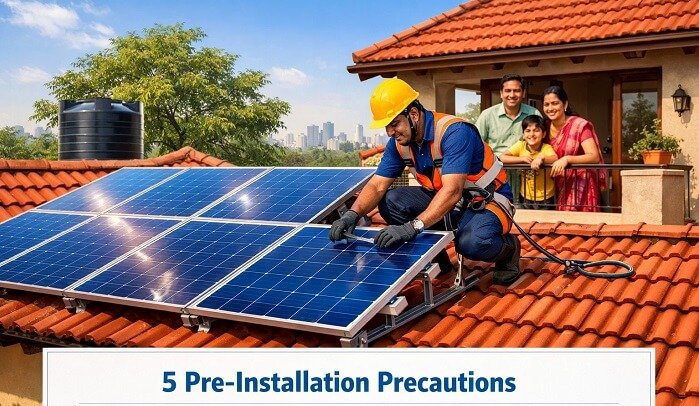
The installation of solar panels is among the most intelligent investments in the long term of the homeowner and business interests, yet it is essential to prepare the pre-installation very well. Haste in this important stage may result in structural damages, safety concerns, diminished energy production and expensive repairs in the future. These are five critical pre-installation precautions that any property owner should take care of prior to solar panels landing on their roofs.
1. Comprehensive Roof Structural Evaluation
The roof of your house is the basis of your investment in solar and evaluation of its structural integrity is not an option. A certified solar installer or a qualified structural engineer should consider the possibility of your roof to withstand the extra weight before installation. The solar panels themselves are not very heavy at all, the current panels are only 2-4 pounds per square foot on your roof. But you do add mounting hardware, wiring systems and technician weight during installation and maintenance and that makes the total load a lot higher.
The most important measure is the load bearing capacity of your roof, per square meter. The building code normally provides a minimum of 30 kg/m 2 extra carrying capacity. A typical residential 3-5 kW system of 240-400kg of panels and 200kg of mounting hardware weighs more than 450kg. A structural evaluation determines the need to have reinforcement in place before installation commences.
2. Evaluate Roof Age and Material Compatibility
Installation viability directly depends on age and the material of your roof. Older roofs are more than 15-20 years which tends to degrade and therefore cannot be used to install solar. Although asphalt shingles are widely used and usually do not conflict with the solar systems, they might be at the end of their lifespan. Clay or concrete tile roofs are heavy and therefore durable, but much heavier and may necessitate special roof mounting and extra structural calculations.
The last thing to be considered before installing solar is whether roof replacement or any major repairs are required. Most installers advise to solve the roof problems initially because it is expensive to tear panels and re-install later to replace the roof and the system will be ineffective. Before going solar, do something with your roof which is nearing the end of its serviceable life.
3. Examine Roof Orientation, Tilt, and Shading
In India, a roof facing the south direction has the highest and the most uniform exposure to the sun and therefore it is the best place to install a solar system. Nevertheless, it is possible to produce a significant energy with east and west-facing roofs, but with a little lesser output. Your installer needs to review the tilt angle of the roof- 25-35 degrees is the ideal angle to use in the Indian latitudes, and to know whether the natural angle of the roof would fit the mounting system or not, or whether you would require adjustable mounting systems.
The shading analysis is also important. The trees around your house, the building around, chimneys, vents, and even skylights will greatly decrease the energy production. A site survey carried out by a professional must map sun paths during the day and seasonally. In case the trees surrounding your place of installation are blocking the sunlight in the optimal time (9 AM to 3 PM), then they are to be clipped or removed, and only then should you install the product. Even partial covering panels can cut system output by 25-50 and this undercuts the profitability of your investment.
4. Conduct Electrical System Inspection
Most property owners are only concerned about the roof, and they do not pay much attention to the compatibility of the electrical systems. The main electrical panel of your home should be of sufficient capacity to sustain the output of a solar inverter, and the wiring should be of the current safety requirements. Electrical check-ups must confirm that your current switchboard, circuit breakers and wiring can carry grid-connected solar without upgrades, this is an important factor especially to very old homes and buildings where the electrical system may be out of date.
Also, ask your DISCOM (electricity distributor) whether it can net meter your type of connection. The majority of residential connections allow net metering to 10 kW, whereas commercial connections are different. This inspection will guarantee that your system has the free hand to sell excess electricity to the grid and take advantage of any government subsidies that are available.
5. Verify Permits, Compliance and Weatherproofing
Solar plants would need various government and local licenses. Prior to the onset of the installation, DISCOM net metering applications, municipal permissions, and subsidy scheme registrations should be taken care of by your solar provider, and all this usually requires 2-6 weeks. Make sure it is weatherproofed: the leakages in the roof that exist should be sealed, the felt lining that is there should be intact, and the possible water entry points should be closed. After mounting panels, it becomes hard and costly to go to the roof and make repairs.
These five precautions are the basis of an effective, long life span solar installation. An in-depth site assessment of the roof structure, age, orientation, electrical compatibility, and regulatory compliance is not a costly endeavor but will save tens of thousands of dollars in possible repair bills and lost energy generation. Collaborate with MNRE-qualified installers that perform extensive pre-installation tests- your money is at stake.