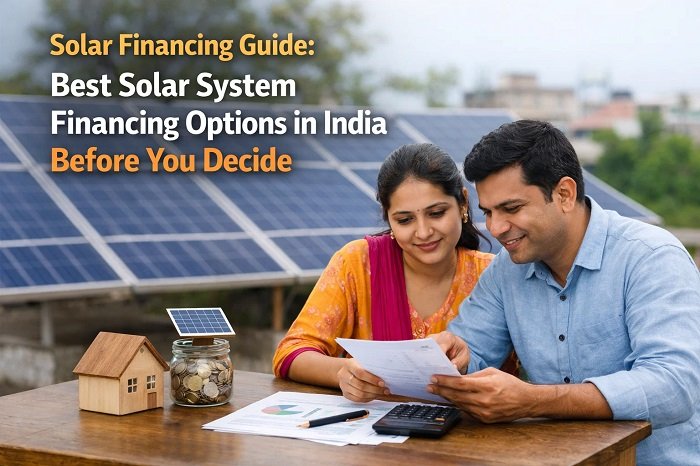
Solar Financing Options India Guide
In 2026, as India's solar capacity continues expanding under the PM Surya Ghar Muft Bijli Yojana, solar system financing has become essential for homeowners and businesses adopting rooftop solar. Initial expenses of residential solar system (typically 1.5-4 lakhs of 3-5 kW system) detracted a number of customers in the past. Today, flexible solar financing options make installation much more affordable through loans, subsidies, and structured EMI plans.
Whether you're a homeowner considering solar panel financing or a business searching for the best solar financing solution, understanding available options helps you make an informed decision. With electricity tariffs rising every year, solar systems can reduce power bills by 70–90%, making solar system financing a practical way to transition toward energy independence while spreading the investment over time.
Why Prioritize Solar Financing Before Installation?
Before installing a rooftop solar system, it is important to understand how solar panel financing works and how it affects your long-term savings. The solar systems usually pay off in 3-6 years in electricity savings. Nevertheless, the initial investment may remain a burden to several households.
This is where solar financing becomes useful. This is because financing enables the consumers to spread the cost of installation into small monthly payments. A large number of financing schemes are also in conjunction with government incentive schemes, including the PM Surya Ghar scheme of subsidies. These subsidies significantly reduce the overall system cost, making solar system financing more attractive and improving long-term returns on investment.
Green energy lending programs have also increased in the past couple of years by financial institutions. As a result, the best solar financing options now offer lower interest rates and longer repayment periods. Due to favorable government policies and the increase in demand of renewable energy, funding of solar installations is easier than ever.
Types of Solar Financing
Different solar financing models are available depending on the buyer’s financial capacity and ownership preference. The correct choice will be determined by the desire to own fully or be a service-based model of energy.
Solar Loans
Solar loans are the most common form of solar system financing. There are special loans that are offered by banks and other financial institutions that cover the cost of the rooftop solar installations so that the owner can own the system but pay back the expense in form of EMIs. This model is highly favored in which buyers are able to avail themselves of government subsidies and tax advantages as well.
Under solar loans, borrowers are usually in a position to borrow 50,000-10 lakhs with a five to seven year term to repay. These loans make solar panel financing accessible to households that cannot afford the full upfront investment but still want long-term ownership of their solar systems.
Leasing and Power Purchase Agreements (PPAs)
Leasing and PPAs follow a different solar financing model in which a third-party company installs and owns the solar system. The consumer does not have to pay installation charges instead he/she has to pay monthly charges or buy the electricity produced by the system.
This model avoids all initial expenses but does not give ownership of the solar equipment. This option is also quite common among businesses since the companies can enjoy the benefits of solar power without having to deal with installation and maintenance tasks.
Government Incentives and Subsidies
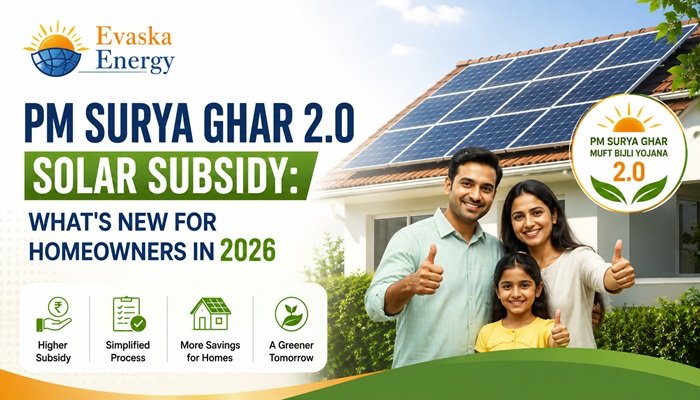
Government support plays a key role in improving access to best solar financing solutions. Subsidy programs such as PM Surya Ghar offer as much as 30000 to 78000 and it is varied according to the size of the system. These incentives make a great deal of difference on the total amount needed to invest in residential installations of solar systems.
More benefits are also provided by several states, such as rebates and low-interest green loans. By combining these incentives with bank loans, homeowners can make solar system financing much more affordable while reducing the payback period.
Best Solar Financing Options in India
Many banks and financial institutions now offer specialized green loans designed for solar panel financing. These finance programs will be specific to residential and commercial solar uptakes. State Bank of India offers rooftop solar loans with competitive interest rates and flexible repayment periods, making it one of the best solar financing options for homeowners. Solar loans also available in HDFC bank are characterized by long payment period and high funding limit such that it enables the borrowers to obtain bigger systems.
In the case of businesses and MSMEs, such programs as the Surya Shakti effort of IDBi offer greater loan sums, at reduced interest. Meanwhile, newer green lenders such as Ecofy are emerging as strong alternatives in the solar financing space by offering digital loan approvals and flexible repayment options.
How to Choose the Best Solar Financing
Selecting the right solar system financing plan requires evaluating several factors. Before concluding any financing package, buyers are advised to look into the interest rates, the tenure of the loan, the eligibility criteria as well as the subsidies that the government may offer. One should also determine the amount of electricity that would be saved by a solar system and compare it with the amount of loan that should be repaid monthly. In many cases, the EMI paid through solar panel financing can be partially offset by the electricity bill savings generated by the system.
Carefully comparing multiple lenders helps identify the best solar financing option with the lowest interest rates and minimal processing fees. An effective financing plan will see the solar installation be cost effective in the long run. Solar energy adoption in India is accelerating, and solar system financing is playing a critical role in making installations accessible to more consumers. The households and businesses can now invest in solar energy without great upfront expenses with the availability of flexible loan arrangements, government subsidies, and better green lending programs.
By exploring different solar financing models and selecting the best solar financing option for your needs, you can install a solar system while maintaining financial flexibility. With the right solar panel financing strategy, solar power becomes not just an environmental choice but also a smart long-term financial investment.